

BMW wants to bring microtransactions to cars — and that's a problem
BMW wants to bring microtransactions to cars — and that's a problem
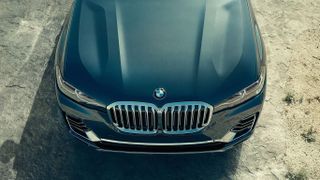
And so, you're about to pull the trigger on that new BMW X5 — an SUV that starts at about $59,000, but can easily stretch beyond $76,000 if you go for the not-quite-range-topping xDrive50i model — and y'all decide you lot want the heated seats. Today, optioning those in adds $600 to the price of your BMW, for a feature y'all may employ countless times over your ownership of the machine. But soon, yous'll subscribe to heated seats for a couple of months or years.
Yes, by deafening demand, gaming's virtually controversial feature is coming to cars: microtransactions. BMW rolled out its program for the futurity of its connected motorcar platform in a digital presentation on July 1, and a skilful chunk of it was spent on, equally the automaker put it, "booking vehicle functions and optional equipment over the air."
- The best OBD2 scanners you tin purchase
- Stimulus check ii: Status, date, vote and how much you could get
- 4th of July sales 2020: Today's best deals at Lowes, Amazon and more
- Just in: 500,000 BMW, Mercedes owners hit past massive data breach
With all of a car'southward features joined by software and a information connection, y'all'll exist able to opt into things like a 360-degree parking photographic camera, night vision or remote get-go at will, paying a subscription fee for a certain length of time in which you can use those features. And while BMW'due south even so to atomic number 26 out specifics in terms of how much the features in question will cost, or how long the subscription terms will be, delight forgive us for not exactly being thrilled about the suggestion.
During the presentation, BMW'due south Melina Aulinger explained how this scheme might work in the context of a hypothetical client purchasing a used BMW, who is able to observe exactly the five Series he's been looking for, except for the fact that it lacks heated seats. Subsequently ownership the car secondhand, this buyer volition be able to activate and pay for heated seats through the car'southward infotainment arrangement, and he'll cull the three-year selection considering that's how long he intends to keep his Bimmer. Some other happy client, I approximate.
In rationalizing this in-app purchase-based approach to auto ownership, BMW extolled the virtues of personalization and instant admission to desired features. The company argues it'south a keen way for buyers to test out features they're not entirely sure they want. Interestingly though, no vague pricing details were shared, nor was in that location any talk in the presentation about the subscription model making these features more than financially accessible for owners.
The flaw in BMW's logic, of form, isn't exactly hard to parse out. After all, this is the company that floated the thought of paying $80 a year to use Apple tree's CarPlay in its vehicles — software that it doesn't design, much less update, and doesn't alive inside its products, but rather your iPhone. BMW eventually relented on that shameless clawing at free coin, though it took a global uproar from all corners of the auto enthusiast community to convince Munich to walk it back.
The company that pats itself on the back for "cost-cutting innovation" in the i3 is committing to build nearly of its cars with lots of resources and components people will never utilise.
The fact is that all of this optional equipment will go into each and every vehicle that rolls out of the factory. BMW will spend the money to add information technology in, and so, whether you ever choose to subscribe to that characteristic or not, that cost volition exist passed forth to you when you lot purchase your auto.
And it's wasteful, too. Information technology's a bit amusing to recollect that the very aforementioned company that produces the BMW i3 — a machine that incorporates recycled plastics and sustainably-sourced fabrics in its interior advertised as "cost-cut innovation" — will build the majority of its products going forwards with an array of resources and components that customers don't explicitly ask for and may never get used.
Dorsum in Jan at CES, I met with Faurecia, a French automotive supplier that produces parts used by a number of automakers. The spokesperson glorified the company'southward vision for automobile interiors outfitted with subscription-based features, and said a number of the implementations demoed there would begin reaching the marketplace this year. Now that they are, I have to wonder how OEMs and car companies idea the public and critical reaction might go.
It's been fascinating and frustrating to observe how being a customer, of any service or product across any medium, has changed over the past two decades. Ownership has given way to licensing in so many areas of life. And while 1 could mayhap club an statement for that philosophy with regard to software and digital services that change over time and aren't express by supply, it's harder to understand the logic when we're talking well-nigh finite goods, like the heating chemical element inside the seats of your car.
If the economies of scale work out such that BMW can put these optional features into every auto then cheaply per unit that the price to a buyer who won't use them is negligible, and so perhaps at that place's a case to exist made here. But if information technology cannot — and in that location's nothing to suggest the continued, subscription-laden BMWs of the future will exist any easier on your wallet than those today — then it'll but be something else the digital revolution has taken from united states, without whatever appreciable do good to anyone except shareholders.

Source: https://www.tomsguide.com/news/bmw-wants-to-bring-microtransactions-to-cars-and-thats-a-problem
Posted by: gonzalezguie1943.blogspot.com
0 Response to "BMW wants to bring microtransactions to cars — and that's a problem"
Post a Comment